

TLDR
Venezia has four very different faces. Spring and early fall bring the best balance of weather and crowds. Summer is hot and packed with cruise passengers. Winter is cold, often foggy, and atmospheric, with acqua alta (flooding) possible from late September through March. Carnevale in February and the Biennale in odd-numbered years anchor the event calendar.
Insider Tip
Visit in late April, May, or October for the best weather-to-crowd ratio. Early morning (before 09:00) and evening (after 19:00) are always quieter, even in July. Avoid the first week of September, when the Venice Film Festival overlaps with late summer tourist peaks.
Planning your stay? Check current rates at La Forcola Hotel, a convenient base for exploring Venice.
Spring: March to May
March starts cool (around 9 to 14 C) with a chance of acqua alta early in the month. Daffodils and wisteria bloom in the Giardini della Biennale by late March. Crowds pick up from Easter week onwards.
April is the first reliably warm month, with averages of 14 to 18 C. The gardens of Palazzo Cavalli-Franchetti open for temporary shows, and Cannaregio’s hidden squares fill with people eating outside again.
May is arguably the best month. Temperatures sit in the 17 to 22 C range, rainfall is moderate, and locals come out for the Vogalonga regatta on the Sunday after Ascension. The city feels alive but not yet overwhelmed.

Summer: June to August
June is warm (22 to 27 C) with long daylight and occasional thunderstorms in the late afternoon. Sunset over the Giudecca Canal from the Zattere promenade is a nightly event. For more ideas, see our Walking Tours in Venezia: Self-Guided Routes.
July and August bring 28 to 33 C, high humidity, and the biggest crowds of the year. Mosquitoes become a real factor after dusk, especially in Dorsoduro and around the Jewish Ghetto. Book air-conditioned rooms and pack insect repellent.
The Redentore festival on the third Sunday of July fills the Giudecca Canal with decorated boats and fireworks. It is worth braving the heat for this one night.
Autumn: September to November
September stays warm (22 to 26 C) through the first two weeks, then cools quickly. The Venice Film Festival runs from the last days of August into early September and can make the Lido crowded with industry types.
October is excellent for walking: 15 to 20 C during the day, low rainfall, golden light in the late afternoon. The Venice Marathon wraps around the city on the fourth Sunday. Mist rolls off the lagoon in the early morning and makes photography magical.
November signals the start of acqua alta season. Temperatures drop to 8 to 13 C and rainfall increases. The Festa della Madonna della Salute on 21 November draws locals to a temporary pontoon bridge across the Grand Canal. You can also check our Best Restaurants in Venezia: Where to Eat for complementary tips.
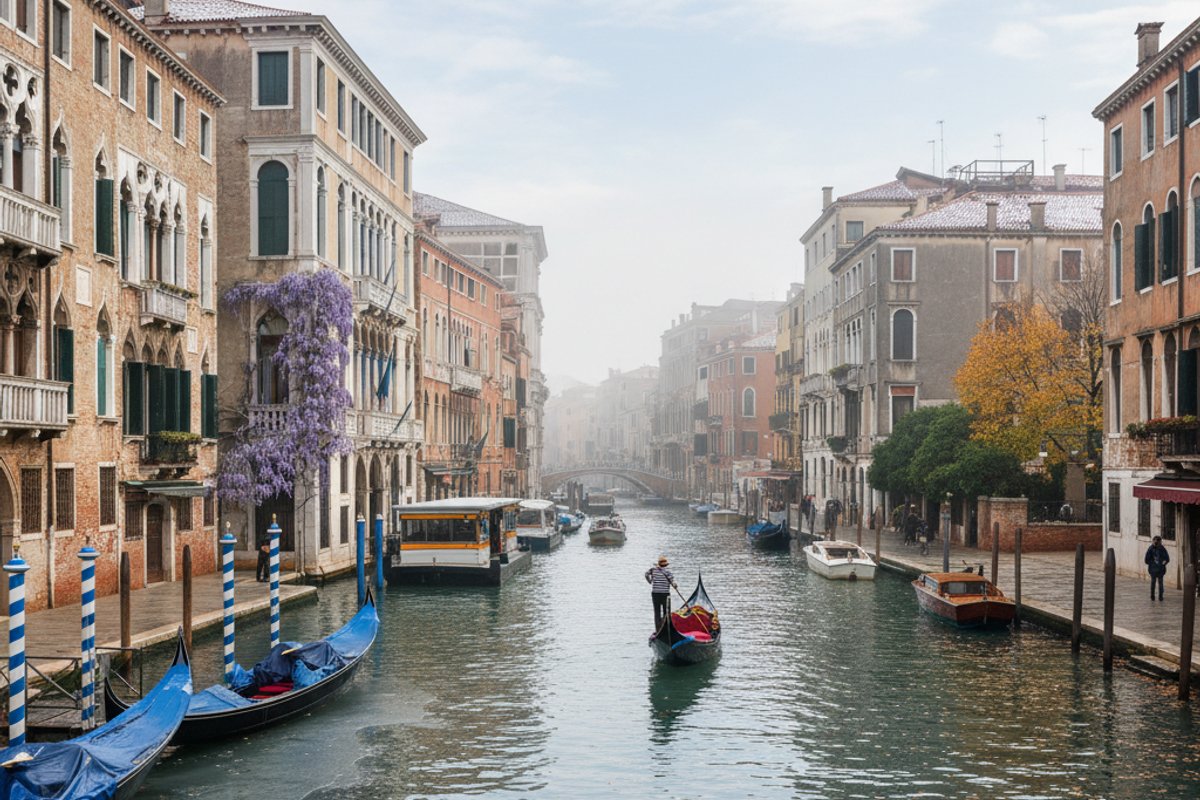
“The location in Cannaregio is perfect, a short walk from the vaporetto to Murano and Burano and away from the cruise crowds at San Marco. The host left a handwritten map of the best cicchetti bars. We ate so well.”
Marco from Milan
Winter: December to February
December is cold (3 to 8 C) and sometimes dramatic. A proper fog turns canal views into ink drawings. Christmas markets at Campo Santo Stefano are small but charming. New Year’s Eve on Piazza San Marco is free and worth doing once. The official Venezia Unica page has up-to-date schedules and ticketing.
January is the quietest month. You can have Piazza San Marco almost to yourself at dawn. Pack warm layers, a waterproof jacket, and grippy shoes if you come in acqua alta season.
February brings Carnevale, the masked pre-Lent festival that runs for about 18 days. Costumed balls at Ca’ Vendramin Calergi and Palazzo Pisani Moretta sell out early. Hotel rates peak for this period.
Want to keep planning? Our Things to Do in Venezia: A Local’s Guide covers the next step once you have the essentials down.
Events, Festivals, and Acqua Alta
The Venice Biennale runs May through November in odd-numbered years (Art) and even years (Architecture). If you visit during Biennale, allow a full day for the Giardini and Arsenale venues.
Acqua alta floods the lowest parts of the city (mainly around San Marco) for a few hours when the tide coincides with certain weather. Download the Hi!Tide Venice app for live forecasts. The MOSE barrier system has reduced the worst events since 2020 but not eliminated them.
Vogalonga in May, Festa della Sensa on Ascension Day, and Regata Storica on the first Sunday in September are free, photogenic, and give a sense of living Venetian traditions beyond the typical tourist circuit.
Inside La Forcola Hotel
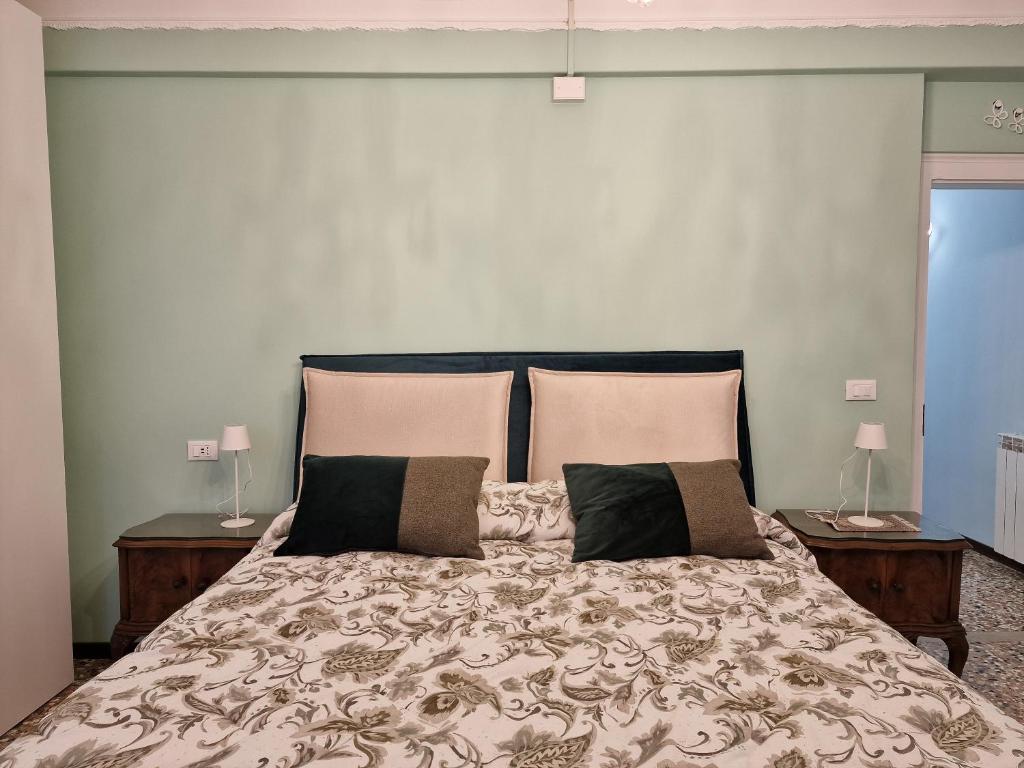
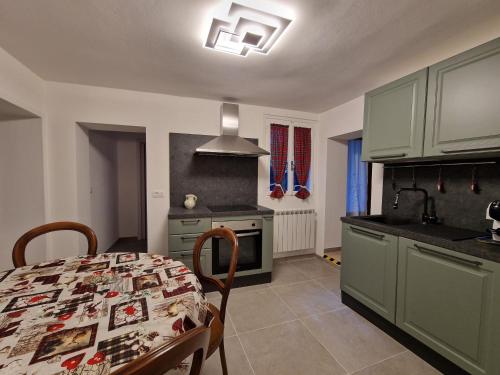
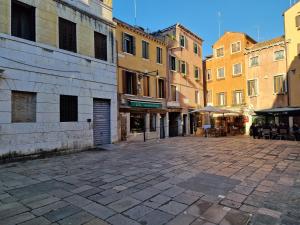
See all photos on Booking.com →
Check current prices at La Forcola Hotel
La Forcola Hotel in Venice, a solid base for exploring everything on this list.
Check Available RoomsWe may earn a small commission if you book through this link. It does not cost you anything extra.
Frequently Asked Questions
When is the cheapest time to visit?
Mid-November (avoiding Salute weekend), early December, and late January are the cheapest. Hotel rates drop 30 to 50 percent versus April or October.
Is Venezia too hot to visit in August?
Hot, yes, but manageable with planning. Do sightseeing from 08:00 to 11:00 and after 18:00. Rest in an air-conditioned room or visit indoor museums in the early afternoon.
Do I need to worry about acqua alta in October?
Occasional events can occur from late September through March. Most floods are minor and predictable a day or two in advance. Shops along San Marco set up raised wooden walkways (passerelle) during events.
Is Carnevale worth visiting for?
If you like costume, history, and the atmosphere of a city turned into a 18th-century stage set, yes. Book flights and hotels 3 to 6 months ahead; prices double and availability is tight.
Does it snow in Venezia?
Snow is rare but possible in January or February, usually melting within hours. A dusting on the Basilica di San Marco’s domes is one of the most photographed sights of the year.