

TLDR
Beyond the obvious Piazza San Marco and Rialto circuit, Venezia rewards travelers who go slower. Ride a traghetto, get lost in Cannaregio, watch gondola repairs at a squero, and eat cicchetti at a bacaro where the sign is hand-painted. This local guide mixes the must-see landmarks with the smaller, better experiences that make the city feel like home.
Insider Tip
Buy the Musei Civici pass (25 EUR) instead of individual tickets. It covers Palazzo Ducale, Museo Correr, Ca’ Rezzonico, and 6 other museums, and pays for itself if you visit 3 of them. You can book entry times online to skip the Palazzo Ducale line.
Planning your stay? Check current rates at La Forcola Hotel, a convenient base for exploring Venice.
Piazza San Marco: Basilica, Bell Tower, and Palace
Piazza San Marco is Europe’s living room, framed by the arcades of the Procuratie and the gold mosaic facade of Basilica di San Marco. Entry to the basilica is 3 EUR (pre-booked) and well worth it for the 11th-century mosaics and the Pala d’Oro altar behind the high altar (5 EUR extra).
Palazzo Ducale, the Doge’s Palace, tells the story of the Venetian Republic across painted council chambers, prisons, and the Bridge of Sighs. Tickets are 30 EUR including the Museo Correr. The optional Itinerari Segreti tour takes you into the secret prisons and Casanova’s cell.
The Campanile di San Marco offers the best view of the city and lagoon for 10 EUR. Go at opening (09:30) or in the last hour before close to avoid queues.
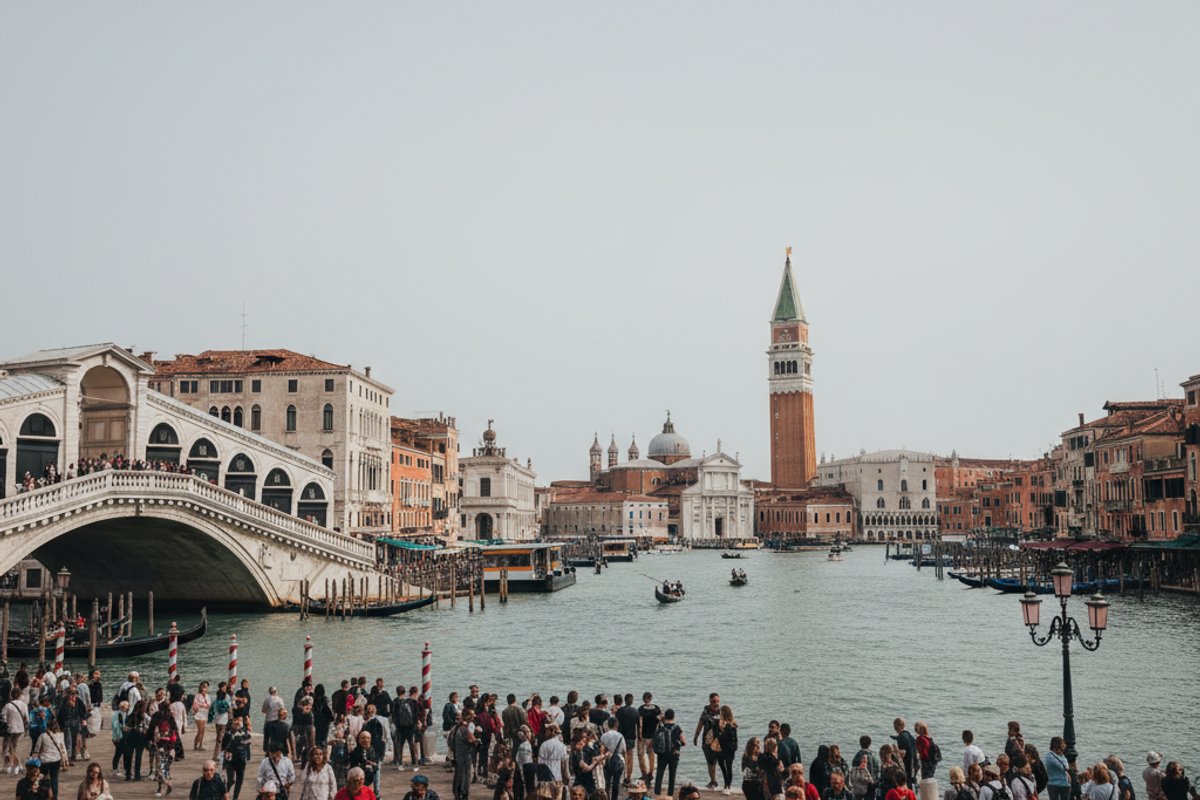
The Rialto and the Grand Canal
The Rialto Bridge has been rebuilt three times, the current stone version from 1591. The real action is below: the Rialto fish market (Pescheria) opens from 07:30 to 12:00, Tuesday to Saturday, and the vegetable market (Erberia) runs longer. Both are a photographer’s dream and the source of every serious kitchen in the city. For more ideas, see our Best Day Trips from Venezia.
Ride a traghetto across the Grand Canal for 2 EUR. These stand-up gondola ferries run at seven points where there is no bridge. San Sofia to Rialto Mercato is one of the most scenic.
Take vaporetto Line 1 end to end for the slow-scroll Grand Canal tour. It runs from Piazzale Roma to the Lido, stopping 20 times and giving you a view of every major palazzo. Around 9.50 EUR for a single ticket, or use a day pass.
Dorsoduro: Accademia, Guggenheim, Zattere
The Gallerie dell’Accademia holds the definitive collection of Venetian painting, from Giovanni Bellini to Tintoretto and Veronese. Entry is 15 EUR. Two hours is enough to see the highlights; four covers it properly.
The Peggy Guggenheim Collection on the Grand Canal is the city’s best modern art stop. Peggy lived here from 1948 until her death in 1979 and her taste defined the collection: Pollock, Mondrian, de Chirico, Picasso. 16 EUR entry.
End the day on the Zattere, the long promenade along the Giudecca Canal. Nico’s ice cream at Gelateria Nico has a chocolate-hazelnut gianduiotto affogato that people queue for. Sunset from the steps of Santa Maria della Salute is one of the quieter free pleasures of the city. You can also check our Getting to Venezia: Airport and Transport Guide for complementary tips.

“Two nights was not enough. The apartment itself is comfortable and the Cannaregio neighbourhood is full of bacari that never saw a tourist. We will be back.”
Claire from Paris
Cannaregio, the Jewish Ghetto, and Madonna dell’Orto
Cannaregio is Venezia’s most residential sestiere and the easiest to walk without getting squeezed. Strada Nova is the main artery, lined with shops, bacari, and the Ca’ d’Oro palazzo (a 1428 Gothic residence, now a museum, 9 EUR). The official Marco Polo Airport page has up-to-date schedules and ticketing.
The Jewish Ghetto, established in 1516, is the original word Ghetto in history and the model for all others. Three small synagogues and the Museo Ebraico tell the community’s 500-year story. Guided tours from the museum are the only way inside the synagogues themselves.
Madonna dell’Orto is Tintoretto’s home church, with his paintings and tomb. It is one of the quietest, most atmospheric spots in the city and usually empty. La Forcola Hotel sits a few minutes away from both the Ghetto and Madonna dell’Orto, making this part of Cannaregio easy to explore on foot.
Want to keep planning? Our Venezia on a Budget: How to Save Without Missing Out covers the next step once you have the essentials down.
Lagoon Islands and Off-Beat Finds
San Giorgio Maggiore is a 4-minute vaporetto from San Zaccaria (Line 2). Palladio’s 16th-century church has a bell tower elevator with a view that matches San Marco’s Campanile but without the queue. 8 EUR.
Sant’Erasmo, the vegetable garden of Venezia, is a 30-minute ride on Line 13 from Fondamente Nove. Rent a bike, eat at a working farm osteria, and watch birds in the lagoon marshes. Perfect if you want a quiet half-day.
Squero di San Trovaso in Dorsoduro is the oldest gondola repair yard still operating. Watch from across the canal; the workshop opens occasionally for tours through Venice Tourist Office.
Inside La Forcola Hotel
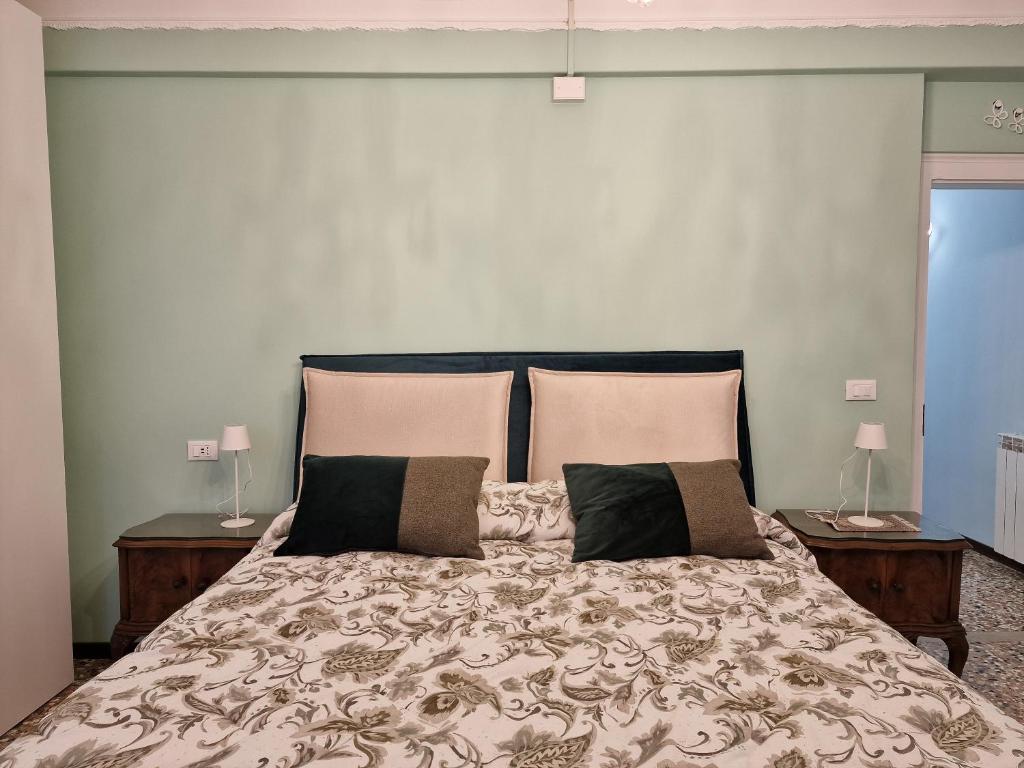
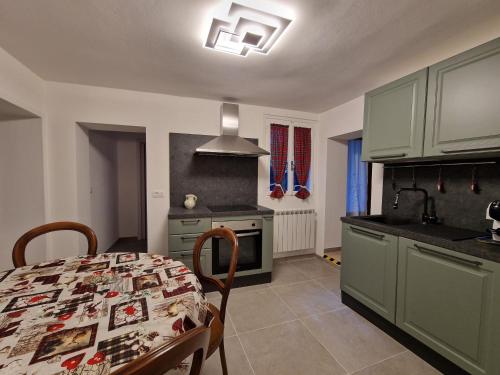
See all photos on Booking.com →
Check current prices at La Forcola Hotel
La Forcola Hotel in Venice, a solid base for exploring everything on this list.
Check Available RoomsWe may earn a small commission if you book through this link. It does not cost you anything extra.
Frequently Asked Questions
How many days do I need in Venezia?
Three full days covers the essentials: one for San Marco and Rialto, one for Dorsoduro and the Accademia, one for Cannaregio or a lagoon trip. Five days lets you add Padua, Burano, and slower mornings.
Is the Musei Civici pass worth buying?
Yes if you plan to enter Palazzo Ducale plus any two other Civic Museums. It costs 25 EUR versus 30 EUR for Palazzo Ducale alone.
Is a gondola ride worth it?
Once, yes. Book a route through the smaller canals (ask the gondolier) rather than the Grand Canal. Budget 80 EUR for 30 minutes, split across up to 6 people.
What is the quietest sestiere to explore?
Castello east of the Arsenale and the parts of Cannaregio near Madonna dell’Orto get almost no tourist traffic. Santa Croce near San Giacomo dell’Orio is another local-feeling corner.
When do museums close?
Most close Mondays (including Accademia). Palazzo Ducale, Museo Correr, and the Basilica stay open all week. Always check the specific calendar, since hours change seasonally.